

What is driving the evolution of property portfolio management?
Property control is now increasingly proper as investors look beyond specific properties and focus on the efficiency of these whole holdings. Contemporary real estate portfolio management provides together economic company, house performance, operational efficiency, and long-term planning. Innago supports this growing strategy by providing engineering that assists home homeowners organize essential management activities and develop a more related view of the hire operations.
Why is portfolio-level thinking becoming more important?
Managing houses individually may work very well for a tiny portfolio , but broader awareness becomes increasingly valuable as holdings expand. Portfolio-level management enables homeowners to evaluate money styles, operating actions, occupancy, and property performance as part of a more substantial strategy.
This perception can help identify options to improve over all results. As opposed to observing each property being an separated expense, owners may consider how various resources contribute to their broader financial objectives.
How can mid-year reviews improve portfolio planning?
The center of the year offers a helpful opportunity to evaluate development and build priorities for the remaining months. Researching hire efficiency, operating expenses, maintenance task, and occupancy tendencies provides important understanding into portfolio direction.
A mid-year evaluation may also help property owners identify regions of strength. Strong-performing resources might give useful samples of techniques that might be used across different houses, supporting consistent development throughout the portfolio.
What role does technology play in portfolio management?
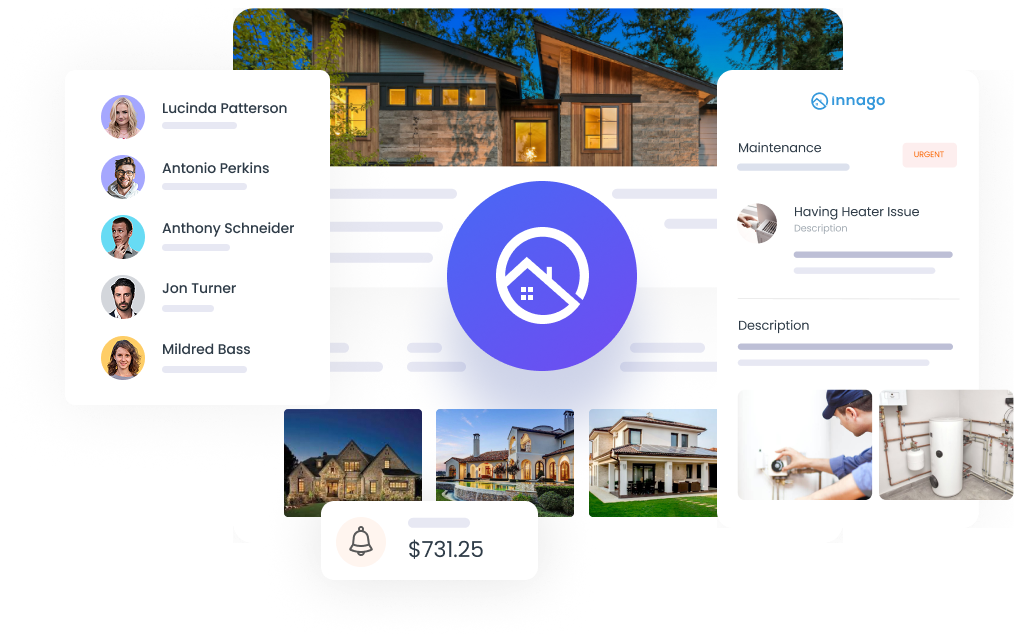
Engineering will make portfolio data easier to organize and access. Digital home management platforms will bring financial files, tenant information, maintenance task, and other operational details in to a more structured environment.
For separate landlords, this may reduce administrative complexity. Instead of managing information across disconnected techniques, property homeowners may use technology to establish more regular workflows.
Innago provides home management technology developed to help separate landlords while they handle their homes and day-to-day operations.
How does data support better property decisions?
Trusted data can enhance decision-making by giving home homeowners better visibility into trends. Researching hire income, occupancy, expenses, and operational activity might help disclose habits that'll usually be difficult to recognize.
Information also can support ahead planning. When homeowners understand how their portfolio has performed, they can produce more informed decisions about maintenance goals, changes, growth, and potential home opportunities.
Can portfolio management support long-term growth?
A structured management strategy can produce a tougher base for portfolio expansion. Efficient techniques let house homeowners to maintain consistency as extra items are introduced.
Growth is not simply about buying more properties. Additionally it requires maintaining strong procedures, defending advantage efficiency, and making processes that can scale. Efficient management can therefore become an essential part of sustainable portfolio development.
What makes an efficient portfolio management strategy?
A highly effective strategy mixes firm with continuous evaluation. Homeowners can establish clear economic workouts, maintain exact home files, monitor efficiency, and evaluation targets regularly.
Engineering may strengthen these techniques by creating data more accessible and lowering repeated administrative tasks. This permits homeowners to devote higher interest to strategic priorities.
What trends are shaping the future?
Electronic house management , automatic workflows, available knowledge, and integrated functional instruments are getting increasingly appropriate to contemporary real estate ownership. These developments are helping independent home owners approach their portfolios with higher design and efficiency.
The ongoing future of portfolio management is probable to highlight presence, flexibility, and scalable technology. Homeowners who build arranged techniques may place their portfolios for continued development.
Conclusion
Real estate portfolio management is developing into a more strategic and technology-supported discipline. Mid-year evaluations, structured information, successful workflows, and portfolio-wide preparing might help property owners improve efficiency while preparing for potential opportunities. With Innago encouraging independent landlords through practical property management engineering, owners can make a far more organized base for managing and rising their real estate portfolios. The mix of proper preparing and contemporary instruments offers a positive way toward sustainable house success.